Source Portable Usb Rechargeable Eye Mask for Travel, Sleep, and Therapy
Find 30 portable usb rechargeable eye mask options from China. Compare graphene heating pads, chenille covers, and CE/FCC certified models. Evaluate MOQs, sample costs, and customization features for your sourcing needs; compare the available evidence and request quotations based on your requirements.
Key considerations
Products List
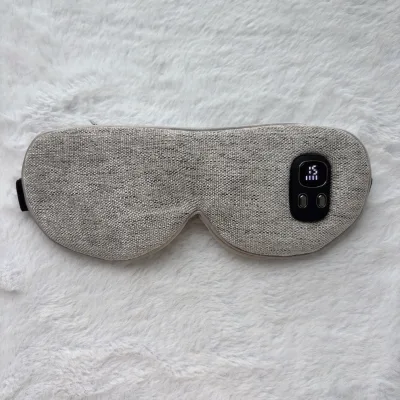
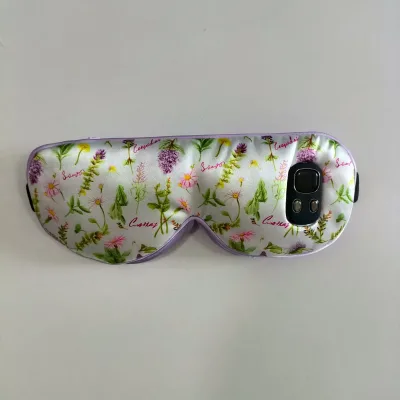
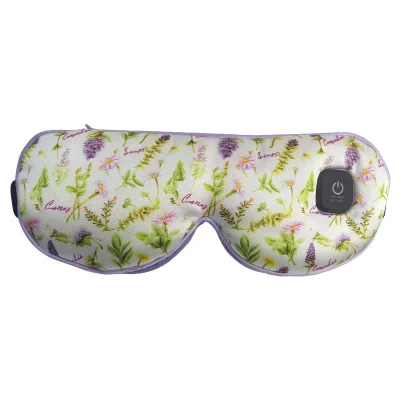


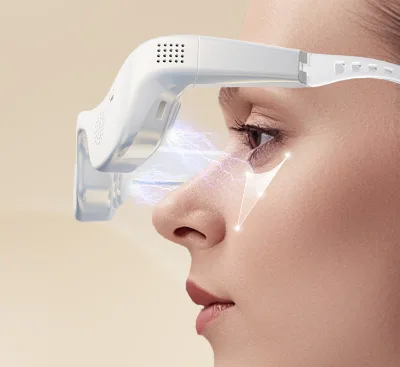



Comprehensive Sourcing Guide
Portable USB Rechargeable Eye Mask Sourcing Guide
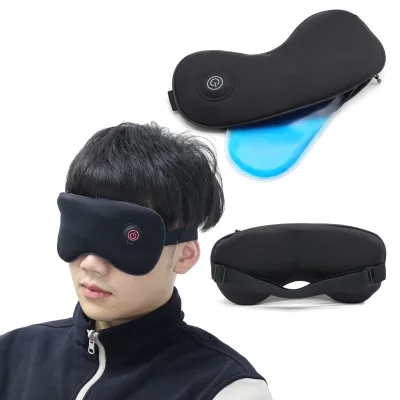
Procurement teams must first distinguish between generic eye masks and specialized therapeutic devices when sourcing portable USB rechargeable units. The observed market data indicates a clear segmentation between simple fabric covers and integrated heating systems featuring specific battery capacities and graphene heating elements. Buyers should verify whether the listed product includes a functional battery pack or relies solely on external power, as this distinction fundamentally alters the product's utility and shipping classification.
The supply chain for these items often involves complex customization layers, ranging from fabric selection to logo application methods. Sourcing strategies must account for the variance in material composition, such as chenille, spandex satin, or sofa cloth, which directly impacts the tactile experience and thermal retention properties. Understanding these material differences is essential before engaging with suppliers, as the final product performance relies heavily on the specific combination of cover fabric and internal heating technology.
Product Scope and Observed Listing Signals
Buyers should analyze the observed listing signals to identify the specific functional claims made by suppliers, particularly regarding pain relief and eye therapy applications. The market data confirms that many listings explicitly target benefits like reducing dark circles, alleviating puffiness, and providing anti-wrinkle effects through heat therapy. However, these claims should be treated as product observations rather than guaranteed medical outcomes, requiring careful verification of the actual heating mechanism and its intended therapeutic scope.
The product scope also encompasses significant variations in physical dimensions and packaging configurations that affect logistics planning. Listings show size tolerances of up to 1.5cm and varying single package weights, which can influence freight costs and storage requirements. Procurement teams must clarify whether the unit includes a gift box or standard OPP bag, as this decision impacts the final retail presentation and the overall cost structure of the imported goods.
Technical Specifications to Verify
Technical due diligence requires confirming the exact battery capacity and heating element type to ensure the device meets operational expectations. The available data points to a specific battery capacity of 1000 mAh and the use of panel heaters or graphene heating pads within the mask structure. Buyers must verify that the USB rechargeable interface is compatible with standard power sources and that the battery life aligns with the intended usage duration for travel or home relaxation.
Dimensional accuracy and weight consistency are critical for user comfort and shipping efficiency, as observed listings show slight variations in size and weight tolerances. Specifications indicate a weight of approximately 80g per piece with a 5g tolerance, and sizes ranging from 22x8.5cm to 22x10.5cm depending on the model. Sourcing teams should request physical samples to validate these measurements, ensuring the elastic straps and overall fit accommodate the target demographic without causing discomfort during extended wear.
Compliance and Safety Documentation
Safety compliance is paramount when sourcing electronic devices that generate heat directly against the skin, necessitating a review of relevant quality certifications. The observed listings mention CE and FCC certifications, which are standard indicators of electrical safety and electromagnetic compatibility for the target markets. Procurement professionals must request valid test reports to confirm that these certifications are current and applicable to the specific model number being ordered, rather than relying on generic claims.
Beyond electrical safety, documentation regarding material safety and shelf life must be scrutinized to ensure consumer protection and regulatory adherence. Some product data suggests a shelf life of three months, which is unusually short for textile goods and may indicate specific storage requirements or material degradation risks. Buyers should verify the stability of the graphene heating elements and the flammability ratings of the spandex satin or chenille covers to mitigate potential safety liabilities in the destination market.
Cost Drivers and Commercial Terms
Commercial negotiations for these items are heavily influenced by the minimum order quantity (MOQ) requirements and the extent of customization desired. The market data reveals a dual-tier MOQ structure, with 50 pieces for standard spandex satin covers and 500 pieces for fully customized orders involving specific logos or designs. Understanding this threshold is vital for budgeting, as the unit price will fluctuate significantly based on whether the order falls below or above the customization threshold.
Sample costs and packaging options also play a decisive role in the total landed cost and the speed of the procurement cycle. A sample fee of US$20 is observed for personalized units, which adds to the initial investment before bulk production begins. Additionally, the choice between standard packaging and custom gift boxes will impact the per-unit cost, requiring buyers to balance the desire for premium presentation against the constraints of their target retail price point.
Supplier Qualification and Quality Control
Supplier qualification should focus on their capability to manage OEM and ODM processes while maintaining consistent quality across different fabric types. The observed supply types indicate that manufacturers are equipped to handle custom branding through methods like screen printing, laser engraving, or embroidery, but the quality of these applications must be verified. Buyers should assess the supplier's track record in producing consistent logo placements and ensuring that the heating elements remain securely embedded within the fabric layers.
Quality control protocols must address the specific risks associated with electronic components and textile integration in a wearable device. Given the tolerance ranges for weight and size, a robust inspection plan is necessary to catch deviations that could affect user experience or packaging efficiency. Procurement teams should implement pre-shipment inspections that specifically test the heating function, battery charging cycles, and the durability of the elastic straps to ensure the final product meets the agreed-upon specifications.
Long-Term Procurement Checks
Sustainable procurement requires establishing a framework for monitoring product performance and supplier reliability over multiple production cycles. Buyers should track the consistency of the graphene heating pads and the longevity of the battery life across different batches to identify any potential degradation in product quality. Regular feedback loops with the end-user market can help detect early signs of performance issues, allowing for timely adjustments to the product design or manufacturing process.
Strategic planning must also account for the evolving nature of the product features and the potential for design obsolescence. With observed innovations such as new designs and fashion-forward styles, suppliers may frequently update their model numbers and specifications. Procurement teams should maintain open communication channels to stay informed about these changes, ensuring that future orders align with current market trends and that the supply chain remains agile enough to adapt to new product iterations.
FAQs
What is the battery capacity of the wireless heated eye mask?
The wireless heated eye mask features a 1000 mAh battery for portable use. This capacity supports extended therapy sessions while maintaining a lightweight design of about 80 grams per piece for comfortable wear during eye care routines.
Which certifications does the heated eye mask hold for safety?
The product holds CE and FCC quality certifications to ensure safety standards. These certifications verify that the panel heater and electronic components meet international requirements for electrical safety and electromagnetic compatibility in various markets.
How much is the sample cost for a personalized eye mask?
A personalized sample costs US$20 for one unit. This fee covers the customization process including logo application or specific design requests before proceeding to bulk orders with the minimum order quantity requirements.
Can I customize the logo on the spandex satin cover?
Yes, you can customize the logo via screen printing, heat transfer, or embroidery. A minimum order of 500 pieces is required for full customization, while 50 pieces suffice for standard spandex satin covers without custom prints.
What are the dimensions of the single package for this item?
The single package size is approximately 24 by 10 by 3 centimeters for the standard version. Another variant lists a larger size of 55 by 32 by 37.5 centimeters, depending on the specific packaging configuration selected for shipping.
Where is the place of origin for these eye masks?
The place of origin is Anhui, China. This location serves as the manufacturing base for the Heenlong brand products, ensuring consistent quality control and supply chain management for all exported wireless heated eye masks.
What material is used for the soft spandex satin cover?
The cover is made from soft spandex satin combined with a graphene heating pad. This material choice ensures comfort against all skin types while providing effective heat distribution for pain relief and eye therapy applications.